
Heart health questions? We can help
It’s never too early (or too late) to think about heart health, and while we often focus on diet and exercise, our hearts can be impacted by so much more.
For many of us, busy schedules, demanding careers, and constant digital connection can mean our hearts are working overtime, feeling every all-nighter, every deadline, and every scroll. So, let’s look beyond just steps and salads and delve into how our emotional well-being profoundly shapes our physical heart health.


What to ask
Proactive conversations matter
When it comes to your health, asking the right questions is as important as getting the right answers. Don’t limit your checkups to just physical symptoms. When you’re ready to take action, here’s what to discuss with your primary care provider:
- What are my current heart health numbers, and what should they be?
Get specific values for blood pressure, cholesterol, and other relevant metrics. Understand what’s optimal for your age and health history. - How do my daily habits affect these numbers?
Ask about the connection between your lifestyle — like stress levels, sleep quality, movement, and nutrition — and your cardiovascular health. - What should I track between now and my next visit?
Determine which metrics matter most for you to monitor at home and how often to check them. - What are the early warning signs I should watch for?
Get personalized guidance on symptoms or changes that would warrant reaching out between appointments.

What to track
Beyond the obvious metrics
While blood pressure and cholesterol levels are vital, a holistic approach to heart health also encourages tracking other aspects of your daily life:
- Sleep patterns: Use a journal or a basic sleep tracker to monitor when you go to bed, when you wake up, and how rested you feel. Consistency and quality are key.
- Stress triggers & responses: Identify what causes you stress and how your body reacts. Are you clenching your jaw? Feeling tension in your shoulders? Recognizing these signs can help you address stress proactively.
- Social connection: Consider the quality of your relationships and how supported you feel. Healthy social connections contribute to overall well-being and can act as a buffer against stress.
- Mental health check-ins: Regularly reflect on your emotional state. Are you feeling generally content, or are there underlying stressors you aren’t addressing?

What to watch for
Your heart has a message
Your body often sends subtle signals before major issues arise. Learning to listen to these messages is a powerful step in preventive care. Be vigilant for:
- Unusual fatigue: Persistent tiredness that doesn’t improve with rest could be a sign your heart is working harder than it should.
- Unexplained shortness of breath: If you find yourself unusually breathless during routine activities, it’s worth discussing with a doctor.
- Lingering stress or anxiety: If stress feels unrelenting, or if anxiety is frequently interfering with your daily life, it’s not just a mental health concern; it can have physical repercussions on your heart.
- Changes in sleep: Difficulty falling asleep, staying asleep, or waking up feeling unrefreshed, particularly if new or worsening, warrants attention.
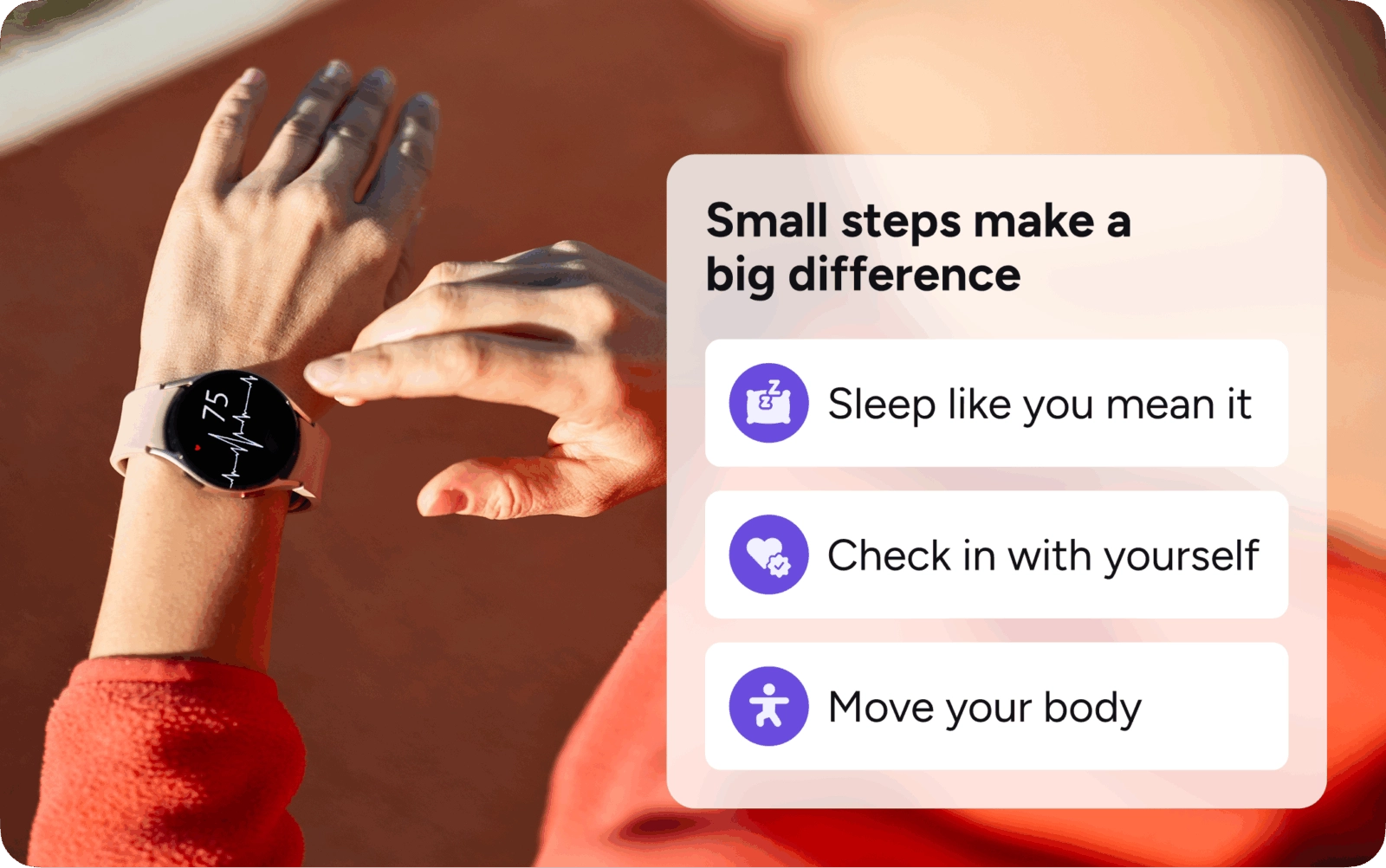
Micro-habits that make a difference
Improving heart health doesn’t require a complete life overhaul. Small, consistent actions add up:
For better sleep:
- Set a consistent bedtime, even on weekends.
- Create a wind-down routine that doesn’t involve screens.
- Keep your bedroom cool and dark.
- Notice how different activities affect your sleep quality.
For stress management:
- Build in short breaks throughout your day.
- Practice one stress-reduction technique regularly (deep breathing, meditation, movement).
- Set boundaries around work and technology.
- Connect with people who support you.
For physical heart health:
- Find movement you actually enjoy — consistency matters more than intensity.
- Make small nutrition upgrades rather than restrictive changes.
- Stay hydrated throughout the day.
- Don’t skip your annual checkup.

Know your numbers: We can help
Ready to take a proactive step in understanding your heart health? Knowing your heart health numbers is fundamental to prevention and early intervention. Click below to learn more about what these numbers mean for you and how to keep them in a healthy range.
Ready to show your heart some love?
Discover how well you know your numbers

Dr. Heather Hockenberry is board certified in family medicine. She earned her doctor of medicine degree at the University of Nevada Reno School of Medicine where she also completed her internship and residency in family medicine, serving as chief resident during her time there. As an urgent care physician for a decade prior to coming to Included Health, she treated acute illnesses and injuries of a diverse nature in a clinic setting. She came to Included Health in 2015 as a staff physician, and currently serves as an associate medical director supporting our clients from a clinical perspective.

Dana Duran is a copywriter with over 15 years of experience writing and editing content for start-ups, wellness brands, and non-profits, including 10 years of writing, editing, and producing in the museum and cultural space. She currently lives and works in San Diego, CA.