Know your heart
health numbers

Understanding your numbers is the first step to better heart health. Tracking your blood pressure, cholesterol, and other key metrics helps you take control early before problems set in. Wondering about your own heart health? Take the quiz to test how well you know your numbers.

A woman in a yoga class putting her hand over her heart
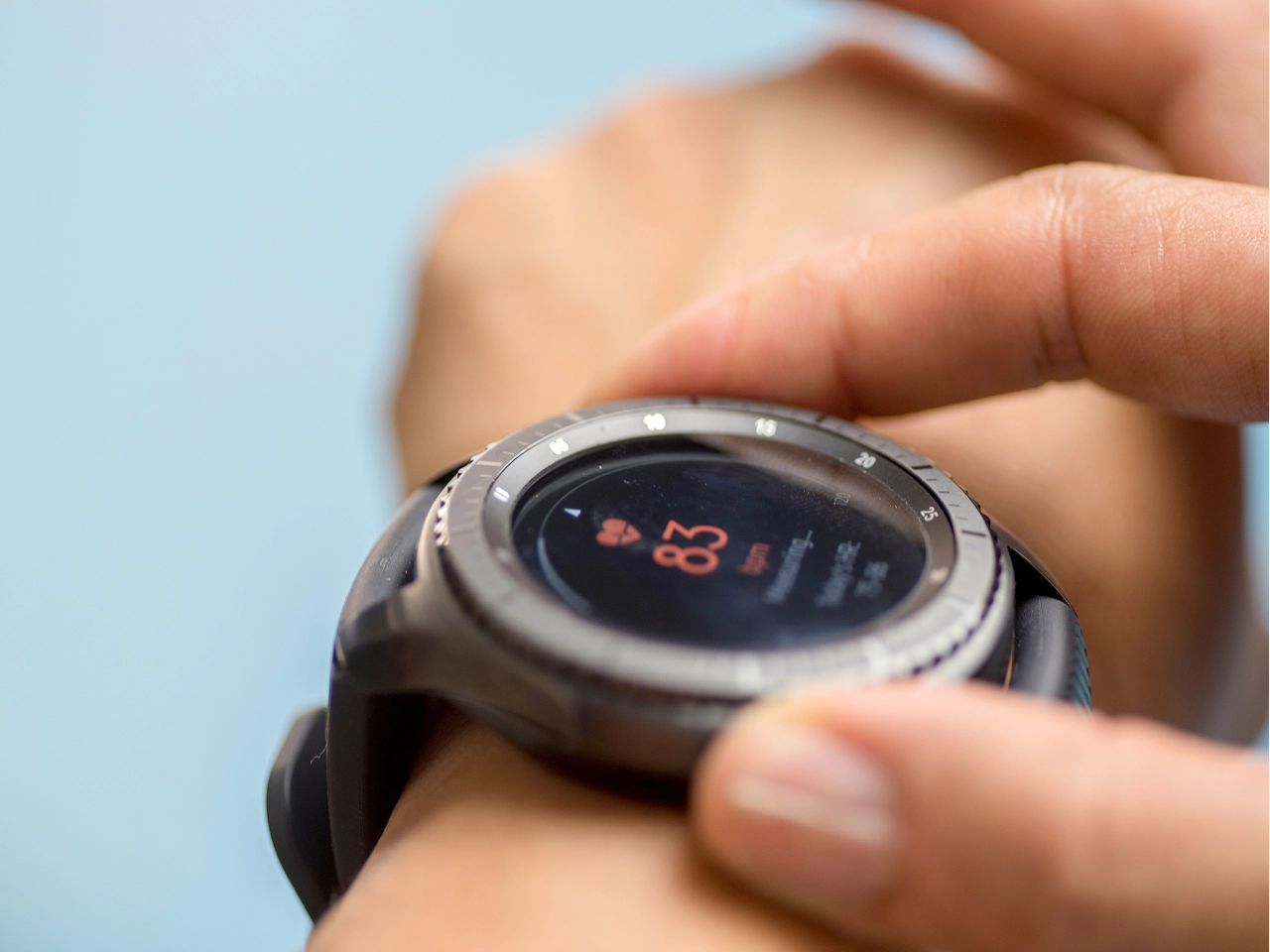
Close-up of a heart rate monitor watch

What are heart health numbers?

Heart health numbers are key measurements that show how well your cardiovascular system is working. These vital signs, including blood pressure and cholesterol levels, help identify risk factors early, allowing you to take proactive steps before serious health issues develop.

  • Blood pressure: measures the force of blood against artery walls
  • Cholesterol levels: shows the amount of fatty substances in your blood (total cholesterol, LDL, HDL, triglycerides)
  • Heart rate: your resting heart rate and how it responds to activity
  • Blood sugar: helps identify diabetes risk, which affects heart health
  • Body mass index (BMI): indicates if weight may be impacting cardiovascular health
  1. High blood pressure and cholesterol often have no symptoms but can lead to heart disease, stroke, and other serious complications.
  2. Understanding your numbers helps you and your provider create a personalized prevention plan.
  3. Regular monitoring allows you to see if lifestyle changes or medications are working.
  4. Knowing your baseline measurements gives you a clear starting point for improving heart health.
  5. Early detection means early intervention — often preventing serious health issues down the line.
  • Blood pressure is measured using a digital or manual blood pressure cuff.
  • Cholesterol and blood sugar require a simple blood test.
  • Heart rate can be checked with a monitor, smartwatch, or during a physical exam.
  • Your provider will review your medical history and current health status.
  • Virtual visits can guide you through at-home monitoring and help interpret your results.

Check in with your heart health

Your heart feels every all-nighter, every deadline, and every scroll. Work, life, and sleep all add up. This Heart Health Month, let’s check in before burnout sets in. Knowing your numbers, like blood pressure, cholesterol, heart rate variability, and stress levels, is the first step to a healthier heart, and Included Health can help.

Choose the answer that best reflects your experience for each question.

quiz header background

Know your heart
health numbers

1. 
When did you last have your blood pressure checked?

A. Within the last 6 months, I stay on top of my screenings

B. Within the last year, I try to keep track

C. More than a year ago, it's been a while

D. I don't remember, or I've never had it checked

2. 
Do you know what your current blood pressure numbers are?

A. Yes, and they're in a healthy range

B. Yes, but I know they're higher than recommended

C. No, I don't know my numbers

D. I'm not sure what my numbers mean or how to track them

3. 
When was your last cholesterol screening?

A. Within the last year, I prioritize preventive care

B. 1–2 years ago, I check it periodically

C. More than 2 years ago, I should schedule one

D. Never, or I can't remember when it was last checked

4. 
How often do you feel overwhelmed by stress in your daily life?

A. Rarely, I have effective stress management strategies

B. Sometimes, I feel stretched but can usually manage

C. Often, stress impacts my daily well-being

D. Almost constantly, it's affecting my physical health

5. 
How many hours of quality sleep do you typically get each night?

A. 7–9 hours consistently, I prioritize rest

B. 6–7 hours most nights, I try to get enough

C. Less than 6 hours regularly, sleep is a struggle

D. My sleep is very irregular and poor quality

6. 
How often do you make time for self-care activities that support your emotional and physical well-being?

A. Regularly, self-care is part of my routine

B. Occasionally, when I can fit it in

C. Rarely, I struggle to prioritize myself

D. Almost never, I don't have time or resource

7. 
Are you currently experiencing any heart-related symptoms such as chest discomfort, shortness of breath, or irregular heartbeat?

A. No symptoms at all, I feel healthy

B. Occasional mild symptoms that come and go

C. Regular symptoms that concern me

D. Severe or worsening symptoms that are affecting my daily life

8. 
Do you have a family history of heart disease, high blood pressure, or cardiovascular issues?

A. No family history that I'm aware of

B. Yes, in my extended family (grandparents, aunts, uncles)

C. Yes, in my immediate family (parents, siblings)

D. Yes, and I'm not sure how this affects my own risk

9. 
How comfortable are you reaching out to a healthcare provider when you have questions about your heart health?

A. Very comfortable, I have a trusted provider I can contact

B. Somewhat comfortable, but I sometimes delay seeking guidance

C. Not very comfortable, I often try to manage concerns on my own

D. I usually avoid reaching out or don't know who to contact

10. 
What would be most helpful to you right now for your heart health?

A. Understanding what numbers I should track and why they matter

B. Getting my baseline numbers checked and establishing a routine

C. Help managing existing heart health concerns or symptoms

D. Immediate medical guidance for symptoms I'm experiencing

The heart-healthy navigator

Mostly As:

You're actively engaged in your heart health and have a strong foundation for cardiovascular wellness. You know your numbers and understand their importance. Consider connecting with your primary care provider to maintain your proactive approach and ensure all aspects of your heart health continue to be optimized.

The wellness builder

Mostly Bs:

You're aware of your heart health needs and taking positive steps forward. Now is a great time to establish your baseline numbers and create a personalized heart-healthy routine. Scheduling a virtual primary care visit can help you understand your target numbers, track your progress, and get expert guidance.

The empowered heart champion

Mostly Cs:

You're ready to take control of your heart health. You might be facing some challenges in managing your numbers or accessing the right support. We recommend connecting with a virtual provider, who can offer personalized guidance on managing blood pressure, cholesterol, or other heart health concerns.

The priority care seeker

Mostly Ds:

Your responses indicate you may need timely medical attention for your heart health. Don't wait — connecting with a healthcare professional right away is an important step. A virtual provider can assess your symptoms immediately, provide guidance on whether you need urgent care, and help you access rapid virtual care options. Don't ignore chest pain, severe shortness of breath, or other serious symptoms.

Continue to slideshow controls

*This quiz is meant to be for informational purposes only. If you have specific concerns or questions about your health please consult a medical professional.

An older woman and man stretching in a yoga class

Understand your numbers.
Strengthen your health

Managing your heart health numbers isn't just about medication — it's about creating sustainable habits that support your cardiovascular system. Whether you need help interpreting your numbers, lifestyle guidance, or prescription management, our providers create personalized plans that fit your life.
  • Review and get an explanation of your current blood pressure and cholesterol readings.
  • Create a personalized management plan with a doctor based on your specific numbers and health goals.
  • Get lifestyle counseling on nutrition, exercise, stress management, and sleep.
  • Talk about prescribed medication when needed to bring numbers into healthy ranges.
  • Schedule routine check-ins to monitor progress and adjust your plan.
  • Order lab work to track cholesterol, blood sugar, and other important metrics.

For high blood pressure:

  • Lisinopril: an ACE inhibitor that helps blood vessels relax and lowers blood pressure
  • Losartan: an ARB (Angiotensin Receptor Blocker) that relaxes blood vessels
  • Amlodipine: a calcium channel blocker that eases pressure on artery walls

For high cholesterol:

  • Atorvastatin (Lipitor): reduces LDL ("bad") cholesterol and triglycerides
  • Simvastatin (Zocor): lowers cholesterol production in the liver
  • Rosuvastatin (Crestor): highly effective at lowering LDL cholesterol
  • Check your blood pressure regularly with a home monitor and keep a log.
  • Schedule annual lab work to track cholesterol and blood sugar levels.
  • Eat a heart-healthy diet rich in fruits, vegetables, whole grains, and lean proteins.
  • Reduce sodium intake to help control blood pressure.
  • Exercise regularly — aim for 150 minutes of moderate activity per week.
  • Manage stress through meditation, deep breathing, or other relaxation techniques.
  • Get 7–9 hours of quality sleep each night.
  • Limit alcohol and avoid tobacco use.
  • Stay connected with your healthcare provider for ongoing support.
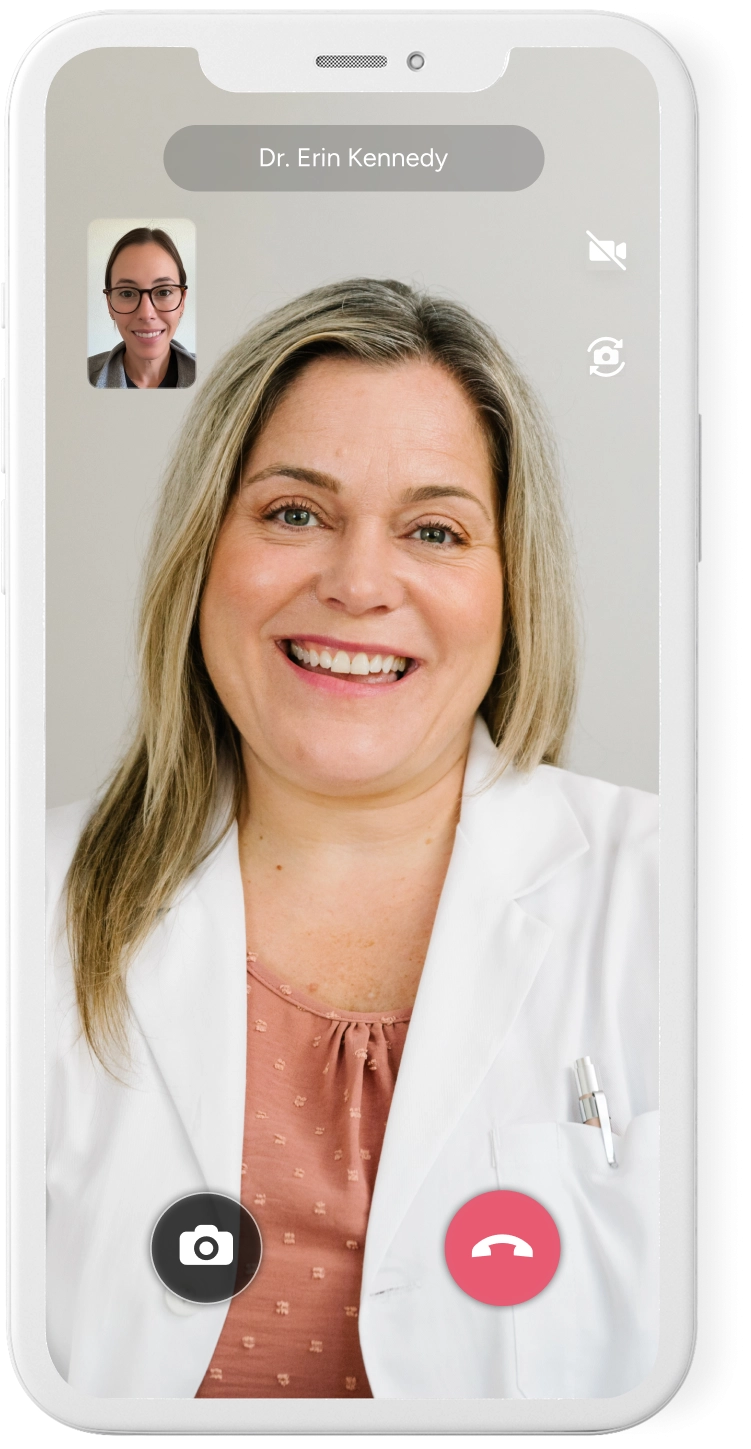
woman in telemedicine call on smartphone

Easy steps to get your heart health check-in

1.

Create your account
Sign up and add your insurance details for accurate pricing.

2.

Schedule your visit
Choose a convenient time for your virtual heart health consultation.

3.

Connect with a provider
Join a secure video consultation to discuss your numbers and health goals.

4.

Receive your personalized plan
Get treatment recommendations, prescriptions if needed, lab orders, and ongoing monitoring support.

A close-up, angled view of a hand holding a smartphone. The screen displays the "Included Health" app's login page, with a video call between a mother and her child visible in the background.

Use your Included Health app for easy heart health monitoring

Track your heart health journey conveniently with your app. Schedule visits, view your health records, receive lab results, and message your care team — all in one secure place. Available for iPhone and Android.


Illustration five blue stars

“Absolutely love your app. I get great service for medical needs. Less wait time and better care. Everyone needs to be using this!!”

—Included Health member

Illustration five blue stars

“I am so impressed with the exceptional service provided by [Included Health] and so grateful for the team that has surrounded me and my wife. I, for the first time in 20 years, feel we have the support we have been looking for.”

—Included Health member

Illustration five blue stars

“It’s the best health app I’ve used to date. It’s fast and resourceful beyond anything I’ve ever used. It’s the most convenient thing I have in my life at this moment.”

—Included Health member

Common questions about heart health numbers and virtual care

  • Normal blood pressure is typically less than 120/80 mmHg.
  • Elevated blood pressure is 120–129/less than 80 mmHg.
  • High blood pressure (hypertension) is 130/80 mmHg or higher.

However, your ideal numbers may vary based on age, health conditions, and other factors. A healthcare provider can help you understand what your numbers mean and what you should aim for.

Healthy cholesterol levels vary by individual, but general guidelines are:

  • Total cholesterol: Less than 200 mg/dL
  • LDL cholesterol (“bad”): Less than 100 mg/dL
  • HDL cholesterol (“good”): 60 mg/dL or higher
  • Triglycerides: Less than 150 mg/dL

Your provider will interpret your specific results based on your overall health profile and risk factors.

Yes. Virtual care providers can review your heart health numbers, prescribe medications, order lab work, provide lifestyle counseling, and create ongoing monitoring plans. Many aspects of heart health management can be effectively handled through telehealth, with in-person visits recommended when physical exams or procedures are needed.

Most adults should have blood pressure checked at least once a year and cholesterol screened every 4–5 years if numbers are normal. If you have elevated numbers, chronic conditions, or are on medication, you may need more frequent monitoring. Your provider will recommend a schedule based on your individual needs.

Blood pressure can be checked at home with an over-the-counter monitor. However, cholesterol and blood sugar require blood tests ordered by a healthcare provider. Through virtual care, you can get lab orders sent to a nearby lab, then review results with your provider during a follow-up visit.

Don’t panic — high blood pressure and cholesterol are very manageable with the right support. Your provider will work with you to create a treatment plan that may include lifestyle changes, medication, or both. Many people successfully bring their numbers into healthy ranges with proper guidance and consistent monitoring.

Absolutely. Chronic stress raises cortisol levels, which can increase blood pressure and inflammation. Poor sleep disrupts the body’s ability to regulate blood pressure and impacts metabolism, potentially affecting cholesterol and blood sugar. Managing stress and getting quality sleep are essential components of heart health — not just nice-to-haves.

Not necessarily. Depending on how elevated your numbers are and your overall risk factors, your provider may recommend lifestyle changes first. However, if your numbers are significantly high or lifestyle modifications aren’t enough, medication can be an important tool to prevent serious complications. Your provider will discuss all options with you.

Yes. Virtual care is highly effective for managing blood pressure, cholesterol, and overall cardiovascular health. You’ll receive the same quality guidance, prescriptions, and monitoring as an in-person visit. For routine management and follow-ups, telehealth offers convenient, accessible care. Your provider will recommend in-person visits when necessary.