
Feeling off? Get to the root of mental health symptoms.
In this article
- The connection between hormones and mental health
- How hormone changes show up in everyday life
- What would a doctor do?
- Why hormonal symptoms can be confusing
- What causes hormonal imbalance
- 6 ways hormones may affect mental health
- How can you regulate your hormones?
- Where to start: behavioral health, primary care, or both?
- Signs it’s time to talk to a provider
- What to do if something feels off
- Take the next step
If you’ve been feeling unlike yourself lately — more anxious than usual, struggling with sleep, or dealing with mood shifts that seem to come out of nowhere — hormone issues could be the culprit. The connection between hormones and mental health is real, complex, and affects many people in ways that aren’t always easy to recognize or explain.
Sometimes emotional changes show up alongside physical symptoms. Other times, they feel disconnected from anything happening in your body. Either way, when something feels off, it matters, and understanding the connection can help you know when it’s time to seek support.

The connection between hormones and mental health
What are hormones?
Think of hormones as chemical messengers that travel through your bloodstream, delivering instructions to different parts of your body.
What do hormones do?
They help manage everything from your sleep-wake cycle to how you respond to stress, how you process emotions, and even how clearly you can think.
When hormones function within their optimal range, they work quietly through the neuroendocrine system, which connects your brain, nervous system, and hormone-producing glands. But when hormone levels shift — whether due to life stage changes, stress, sleep disruption, or other health factors — you may notice changes in how you feel day to day.
Why does hormone health matter?
When hormone imbalance occurs, it can manifest as mental health symptoms that feel overwhelming or confusing.
Hormonal health isn’t just about reproductive hormones like estrogen and progesterone. Other hormones, including thyroid hormone, cortisol (your stress hormone), insulin, and testosterone, can also affect your mental well-being.
Can hormones link to anxiety and depression?
Hormones and anxiety have a documented relationship, as do hormones and depression, particularly for women. Research shows that when estrogen and progesterone fluctuate throughout the menstrual cycle, the body’s stress response can become more intense — which helps explain why some people feel more anxious or low during certain times of the month.
According to Dr. Heather Hockenberry, “When our estrogen levels are starting to really fluctuate and be a little bit crazy, so are our serotonin levels. And so that’s why we start feeling anxiety and depression, maybe feeling on edge, sleep issues, and having the brain fog that you can feel with perimenopause. It’s all connected to serotonin.”

How hormone changes show up in everyday life
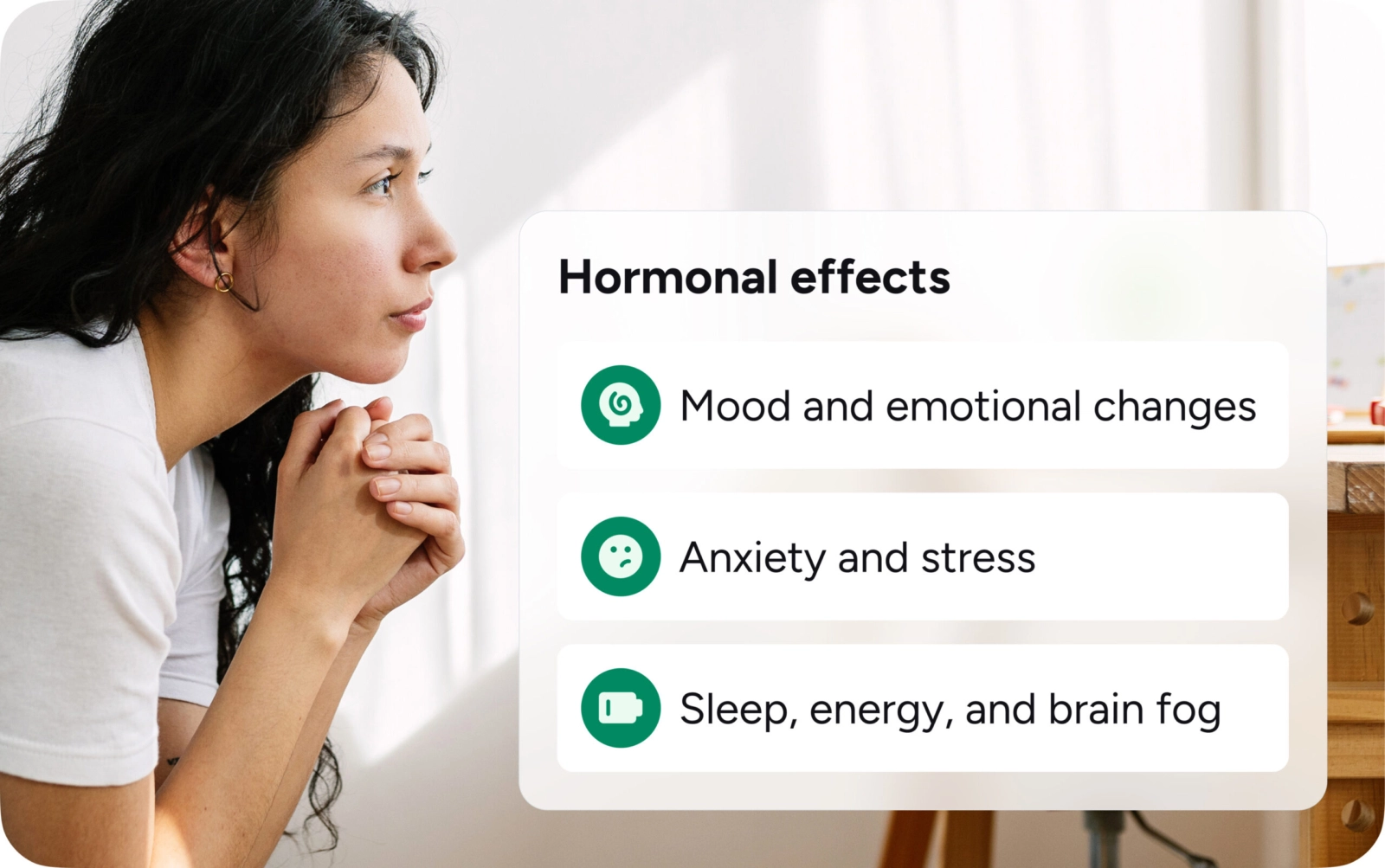
Hormonal changes don’t always announce themselves with obvious symptoms. Often, they show up quietly in the fabric of your daily life — in how you feel emotionally, how well you sleep, and how clearly you can think. These shifts can be subtle at first, making it easy to dismiss them as stress, aging, or just having an off day.
But when patterns persist — when irritability becomes your baseline, sleep consistently eludes you, or brain fog clouds your sharpest moments — hormones may be playing a larger role than you realize. Understanding how hormonal fluctuations manifest in everyday experiences can help you recognize what’s happening in your body and take meaningful steps toward feeling like yourself again.
Mood and emotional changes
Hormones can affect how you experience and manage emotions. You might notice increased irritability, feeling more easily frustrated or short-tempered, or emotionally overwhelmed.
Here’s what’s happening behind the scenes: hormones like estrogen, progesterone, and testosterone directly affect neurologic feel-good hormones like serotonin, dopamine, and GABA, which is how hormonal changes translate into mood changes. Estrogen helps trigger the production of serotonin (the feel good hormone) and also prevents its breakdown. So when estrogen levels drop, or fluctuate, serotonin levels drop too.
The impact on women
For women, these hormone changes often tie to the menstrual cycle or life stages like perimenopause and menopause. The drop in estrogen and progesterone at the onset of a period directly affects serotonin, which can trigger PMS symptoms and premenstrual dysphoric disorder and the depression that comes with it.
The impact on men
For men experiencing hormonal disruptions, the emotional impact can look different. Testosterone is linked to dopamine — another “feel-good” hormone. When testosterone drops, it doesn’t necessarily cause the active depression or anxiety that comes with low serotonin. Instead, a loss of dopamine makes people feel flat, disinterested, and apathetic. Men sometimes report losing interest in work they used to enjoy or hobbies they once loved.
Anxiety, stress, and feeling on edge
Stress adds another layer to hormonal health. Chronic stress causes an increase in cortisol — your fight-or-flight hormone, which can trigger a cascade of hormone abnormalities that disrupt effective sleep, creating a vicious cycle. When stress hormones are chronically elevated, you might experience racing thoughts, restlessness, or even panic-like feelings such as a racing heart, shallow breathing, or a persistent sense that something’s wrong.
Thyroid hormone problems can also intensify anxiety and stress responses. When thyroid hormone is too high (hyperthyroidism), it speeds everything up — causing anxiety, irritability, difficulty sleeping, shakiness, and feeling overstimulated. This can mimic or worsen anxiety symptoms, making it hard to determine whether you’re dealing with hormonal issues or a standalone mental health concern.
Sleep, energy, and brain fog
Sleep and hormones have a deeply interconnected relationship. Sleep is when your brain and body repair, reset, and manage hormone production. When hormones are out of balance, sleep often suffers — you might have trouble falling asleep, staying asleep, or waking up feeling rested. Poor sleep, in turn, can disrupt how well your hormones function.
In perimenopause and menopause, sleep disturbance is huge. Many women report falling asleep fine but then waking up in the middle of the night and being unable to go back to sleep. If there’s no obvious life stressor causing this pattern and it persists for weeks or months, hormones may be the culprit.
Chronic stress elevates cortisol, which prevents effective sleep and creates a cascade of additional hormone problems. Poor sleep then worsens everything else — anxiety intensifies, mood changes become harder to manage, and your emotional resilience feels depleted.
Brain fog is another telltale sign of hormone issues. When thyroid hormone is too low (hypothyroidism), everything slows down. You may experience sleep problems and depression, and you might also notice brain fog where you can’t think straight or concentrate. Difficulty concentrating, memory problems, and mental sluggishness can significantly impact your daily functioning and quality of life.


What would a doctor do?
Tips from Dr. Hockenberry
If you’re wondering whether hormones might be behind what you’re experiencing, here’s what Dr. Hockenberry recommends:
Look for patterns first:
- Are your symptoms cyclical — showing up every month around the same time? For women of childbearing age, that could point to premenstrual dysphoric disorder or hormonal fluctuations related to the menstrual cycle.
- Is it a sudden onset during a particular life stage? That might suggest perimenopause or menopause.
- Are your symptoms hard to explain? If there’s nothing going on in your life that would explain why you feel anxious, depressed, or emotionally flat — no major life event, no obvious trigger — then getting a hormone workup with your primary care provider is the right next step.
What not to do:
- Don’t try to treat your thyroid yourself with natural remedies.
- Don’t try to balance estrogen, progesterone, or testosterone on your own.
- Many women try plant-based phytoestrogens or other supplements, but these aren’t FDA approved, and there’s no reliable guidance on dosages because they haven’t been properly studied.
- If you suspect your hormones are out of balance, see your provider.
Consider both primary care and mental health support:
- Recognizing there’s a physiologic cause for how you’re feeling — and that it’s something that can be managed — is important.
- Would it hurt to see both a therapist and get a hormone workup? Probably not.
- Speaking with a therapist while you’re being cared for by your primary care doctor can be helpful, especially if you’re crying every day because your hormones are out of balance.


Why hormonal symptoms can be confusing
Many symptoms overlap across different conditions. Fatigue, racing heart, low motivation, poor sleep, difficulty concentrating, anxiety, and low mood can all be signs of multiple things happening at once — stress and burnout, behavioral health problems, thyroid issues, reproductive hormone shifts, sleep disruption, or other medical problems.
This overlap is why self-diagnosis is difficult — and why a conversation with a clinician is so valuable. Physical symptoms and mental health symptoms can overlap. Hormone problems don’t stay neatly in one category — they can show up as both emotional and physical changes.

What causes hormonal imbalance
Understanding what causes hormonal imbalance can help you recognize potential risk factors. Life stage transitions like puberty, pregnancy, postpartum, perimenopause, and menopause all bring hormonal fluctuations that can affect mental health. Chronic stress is a major contributor — prolonged stress produces excess cortisol, which can throw other hormones out of balance.
Sleep problems create a vicious cycle where poor sleep disrupts hormone regulation, and hormonal imbalances interfere with sleep quality. Thyroid disorders cause hormone imbalances that directly affect mood, energy, and mental clarity.
Medical conditions including polycystic ovary syndrome (PCOS), diabetes, and other endocrine disorders can cause hormonal disruptions, as can certain medications. If you have PCOS, you’re three times more likely to have anxiety or depression than someone without the condition. This is because hormone problems can affect mental health. Lifestyle factors like not eating enough food, not exercising enough, or changing too much weight can affect hormone health.

6 ways hormones may affect mental health
Hormonal changes can be the result of several factors. Here are six common life situations and conditions where hormone imbalances are most likely to affect your mental health:

- Menstrual cycle changes
Some people experience mood shifts, increased anxiety, or irritability in the days leading up to their period. These premenstrual changes are tied to fluctuations in estrogen and progesterone. For some, the symptoms are mild. For others, they can significantly affect daily life.
- Pregnancy and postpartum
Pregnancy brings dramatic hormonal shifts that can affect mood and emotional regulation. The postpartum period just after is also a time of fluctuation. Hormone levels drop quickly after birth, which can cause depression or anxiety.
- Perimenopause and menopause
During perimenopause, hormone levels can fluctuate unpredictably. Many people notice increased anxiety, mood changes, irritability, or depression. Sleep disruption from night sweats can intensify emotional challenges.
- Periods of chronic stress
There’s a clear connection between stress and health. When you’re under prolonged stress, your body produces more cortisol. Over time, higher cortisol levels can affect other hormones, disrupt sleep, and contribute to anxiety, low mood, and emotional exhaustion.
- Sleep disruption
Poor sleep doesn’t just make you tired, it directly affects hormone regulation. Whether sleep problems are caused by hormonal issues like night sweats, medical conditions like sleep apnea, or stress and anxiety, the result is often a worsening of mental health symptoms.
- Thyroid-related or other endocrine changes
Your thyroid produces hormones that regulate metabolism, energy, and mood. When thyroid hormone levels are too high (hyperthyroidism), you might experience anxiety, restlessness, or irritability. When they’re too low (hypothyroidism), depression, fatigue, and brain fog are common.

How can you regulate your hormones?
Many people wonder how they can regulate hormones naturally. While you can’t directly control every aspect of hormonal function, and there is no over-the-counter solution for hormonal imbalance, there are evidence-based strategies that support hormonal health:
- Prioritize quality sleep. Maintain consistent sleep and wake times to support hormone regulation and help your body repair and reset.
- Manage stress effectively. Use regular movement, mindfulness practices, or work with a mental health provider to reduce chronic stress. Studies show that meditation and relaxation can lower cortisol levels and improve how you feel.
- Support your body with balanced nutrition. Eat regular meals with enough protein, healthy fats, and fiber to support healthy hormonal function and keep your system stable.
- Address underlying health conditions. Work with your provider to manage thyroid issues, PCOS, diabetes, or other medical conditions that can disrupt your hormonal health.
Remember that supporting hormonal health is about building sustainable habits and getting appropriate care when you need it.

Where to start: behavioral health, primary care, or both?
When dealing with hormonal health, it can be confusing where to start — should a mental health provider or primary care provider come first? Here’s a quick way to determine what type of care is right for you:
Start with a mental health provider when:

Book a behavioral health visit to connect with a therapist who can help.
Start with primary care when:

Book a virtual primary care visit for comprehensive care and personalized guidance.
Can you see both?
Mental health and physical health are connected. Sometimes the best approach starts with one type of care and expands to include the other. A mental health provider might recommend you also see a primary care provider. A primary care provider might suggest adding therapy. The more tools you have, the easier it can be to get back on track. Plus, both can be accessed virtually right from home.
Curious about virtual visits? Learn more about what telehealth is and how virtual visits work, or explore the 7 benefits of telehealth.

Signs it’s time to talk to a provider
Sometimes it’s hard to know when to reach out for help. Here are signs that a conversation with a provider would be helpful:
- Symptoms keep coming back or follow a pattern you can’t explain
- Mood changes are interfering with daily life
- Anxiety or sadness feels more intense than expected
- Sleep problems are affecting how you function
- You feel emotionally off and don’t know why
- Physical symptoms like racing heart, fatigue, or brain fog are concerning you
- You’re wondering if what you’re experiencing is related to hormone changes, stress, or something else
You don’t need to wait until things feel severe to seek help. Reaching out when you first notice something is off is a sign of good self-care.

What to do if something feels off
If you’re noticing changes in mood, sleep, energy, or stress levels, here are some practical steps:


Take the next step
Hormones and mental health are connected in meaningful ways, but symptoms often overlap and can be confusing to interpret on your own. Whether you’re dealing with mood changes, anxiety, sleep problems, fatigue, or a general sense that something isn’t right, your experience is valid and deserves thoughtful support.
Not feeling like yourself is a real and legitimate reason to seek care. You don’t need to wait until symptoms feel severe. Reaching out is part of taking good care of yourself — not an overreaction.
If emotional symptoms are most prominent, booking a behavioral health visit can connect you with a therapist who understands what you’re going through. If physical symptoms or broader health questions are involved, scheduling a virtual primary care appointment can provide medical evaluation and next-step guidance. Starting with one doesn’t mean you can’t access the other. Whole-person care often means addressing both mental and physical health together.
Your well-being matters. When you’re ready to take the next step, support is available.

Feeling off doesn’t have to be your norm
Book a visit with a primary care or mental health provider today.
Get care and explore your benefits to support your total health journey.

Dana Duran is a copywriter with over 15 years of experience writing and editing content for start-ups, wellness brands, and non-profits, including 10 years of writing, editing, and producing in the museum and cultural space. She currently lives and works in San Diego, CA.

Dr. Heather Hockenberry is board certified in family medicine. She earned her doctor of medicine degree at the University of Nevada Reno School of Medicine where she also completed her internship and residency in family medicine, serving as chief resident during her time there. As an urgent care physician for a decade prior to coming to Included Health, she treated acute illnesses and injuries of a diverse nature in a clinic setting. She came to Included Health in 2015 as a staff physician, and currently serves as an associate medical director supporting our clients from a clinical perspective.