
An older woman walking her dog outside in a forest.

Caring support is here before, during, and after menopause

Menopause is a natural, universal part of aging. Making the transition isn’t always easy, but it can be more manageable with the right support to guide you through the different stages, symptoms, and emotions.

What is menopause?

Menopause is the stage in a woman's life when her menstrual cycles have ended and she can no longer get pregnant. It is diagnosed 12 months after a last menstrual cycle, spotting, or vaginal bleeding. The menopausal transition, or perimenopause, happens between the ages of 45–55 and menopause symptoms can last anywhere from 7–14 years depending on genetics, lifestyle, and more.

A woman cutting vegetables vegetables in her kitchen.

The importance of preventive care

Understanding the changes that will happen to your body and addressing those changes through preventive care can prepare you for the transition into menopause.

Hot flashes, night sweats, and mood swings are some of the common symptoms of menopause, but there are also health conditions linked to menopause, including:

  • Bone density loss
  • Heart attack
  • Depression
  • Joint and muscle pain
  • Thinner skin and hair
  • Decrease in lean body mass
  • Increase in fat mass

Premature menopause happens before the age of 40 while early menopause happens before the age of 45. It may be possible to address physical and mental health symptoms early depending on your unique situation. Some causes may include:

  • Chemotherapy or radiation to treat cancer
  • Oophorectomy
  • Hysterectomy
  • Family history of early menopause
  • Getting your first period before the age of 11
  • Autoimmune disease
  • HIV or AIDS
  • Smoking

Connect with your primary care doctor early to create a treatment plan that will help address the health conditions linked to menopause. If you’re going through premature or early menopause, talk to your doctor about how you’re feeling and what health changes you need to consider.

Need help finding a primary care doctor?

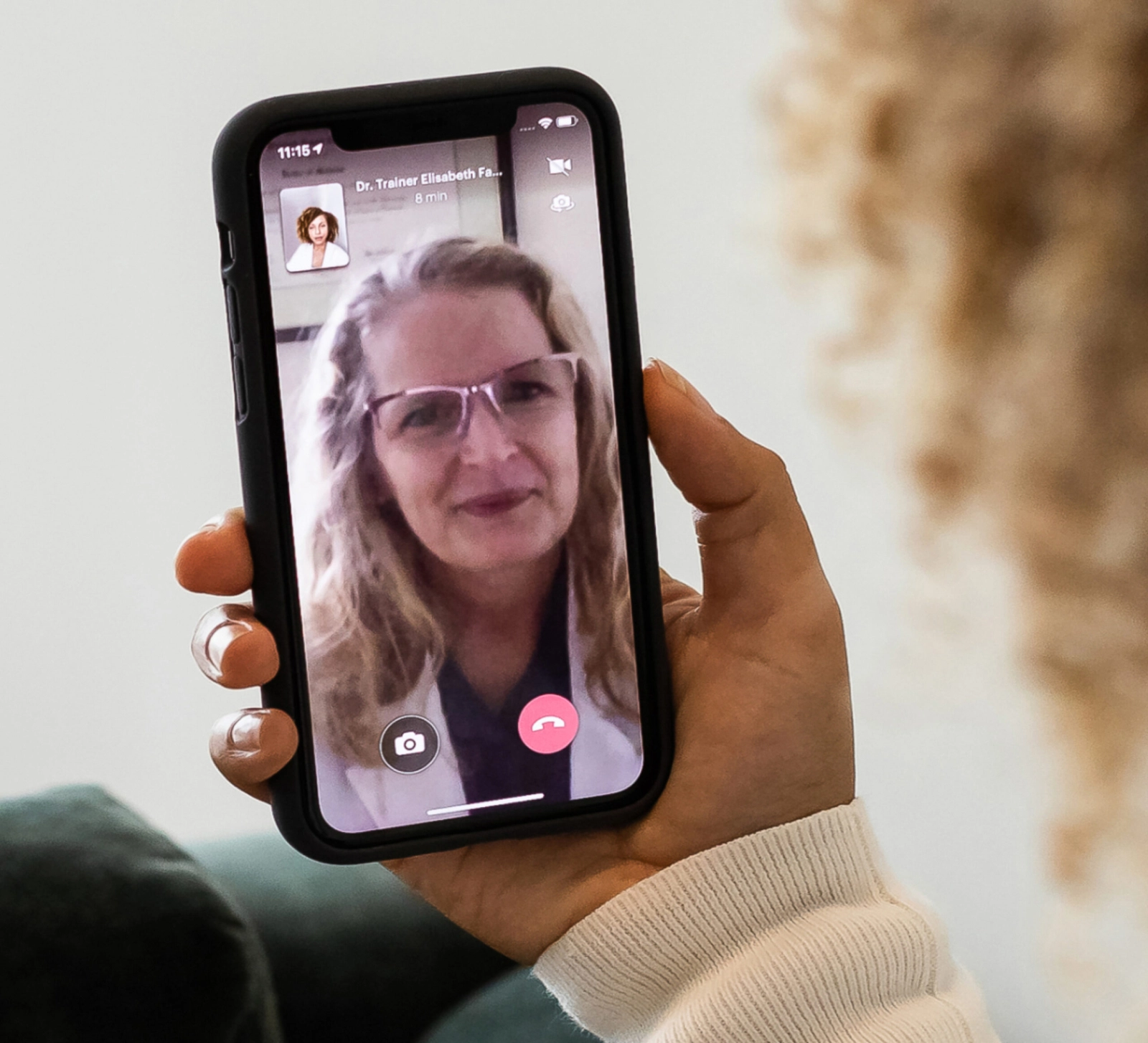
A woman having a video call with her doctor.

Changes in your mental health

When hormone levels begin to shift and changes happen to your body, it’s important to prioritize your mental health, too.

The common symptoms of perimenopause can intensify your emotions and affect your mental well-being. Some mental health symptoms may include:

  • Depression
  • Anxiety
  • Brain fog
  • Sadness
  • Loss of confidence
  • Loss of self-esteem
  • Irritability
  • Mood swings

There are small, yet impactful choices you can make to support your mental health as you transition into menopause, including:

  • Be aware that mood changes may be linked to menopausal symptoms.
  • Monitor your mood and seek help when symptoms become severe.
  • Exercise daily, get more sleep, and find other ways to lower your stress levels.
  • Reach out to those who have gone through similar experiences.
  • Remember that your mood changes won’t last forever.

Whether it’s friends or a support group, connecting with your community can remind you that menopause is a normal part of life for many people. If you feel you need professional care, reaching out to a therapist or psychiatrist can help you process your thoughts and feelings.

Need help finding mental health support?

An older woman doing yoga.

The perimenopausal and postmenopausal stages

Perimenopause, or the menopausal transition, is the stage where hormone levels shift and symptoms appear. Menopause is not a stage, but a point in time that’s diagnosed 12 months after your last period. The immediate final stage is called postmenopause and lasts the rest of your life.

Along with physical changes, there are common symptoms that may also linger during postmenopause, including:

  • Hot flashes
  • Night sweats
  • Sleep difficulties
  • Vaginal dryness
  • Urinary issues
  • Brain fog
  • Headaches
  • Joint pain
  • Mood swings
  • Painful sex

There are two categories of treatment options: hormonal and non-
hormonal therapy.

  • Hormonal replacement therapy (HRT) focuses on replacing the estrogen and sometimes the progesterone that your body no longer produces. There are risks involved and your doctor will inform you if you want to take the HRT route.

  • Non-hormonal therapy involves:
    • Lifestyle changes include exercising daily, eating a healthy diet, and maintaining a healthy weight.
    • Cognitive behavioral therapy can help with anxiety, depression, sexual concerns, and sleep difficulties.
    • Pelvic floor exercises can help with bladder issues like leaky urine or sudden urges to urinate.
    • Alternative options like meditation and mindfulness training can help with mental health.

Connecting with a primary care doctor or OB/GYN who listens to your concerns is an important step to getting the care you need. Consider them your collaborative partners who can help manage your symptoms and track your progress.

Need help finding a specialist?

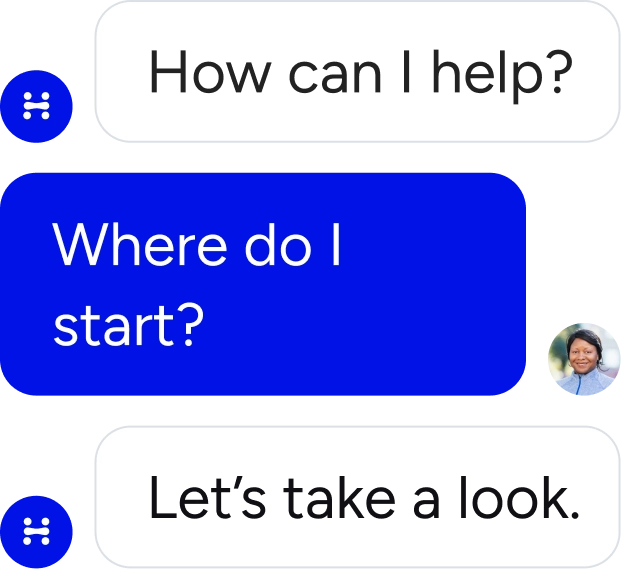
A woman speaking with the Included Health Care Team via chat functionality.

It’s okay to be unsure about next steps

Menopause happens to many of us, and it’s common to be confused about what to do, who to see, or where to go when you need help. That’s why we’re here. Reach out to the Included Health Care Team with questions or concerns and we’ll point you in the right direction.