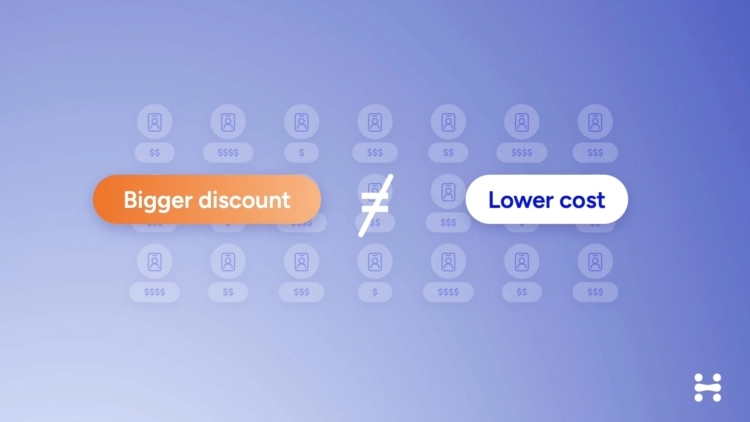
Why do we need alternative health plans?
Employers all have the same question: Why do costs keep rising under my current health plan?
The short answer is how traditional plans are built. Carriers negotiate prices and network access with health systems and providers, aiming for the broadest network possible, even if some of those providers are low-quality.
The member isn't part of that negotiation. So no one is set up to guide people to quality care or to change the care decisions that drive cost.
What's left are workarounds — cost shifting, point solutions, prior authorization — that add friction without fixing the root problem. The result? Health benefit costs are rising faster than they have in 15 years, according to Mercer.
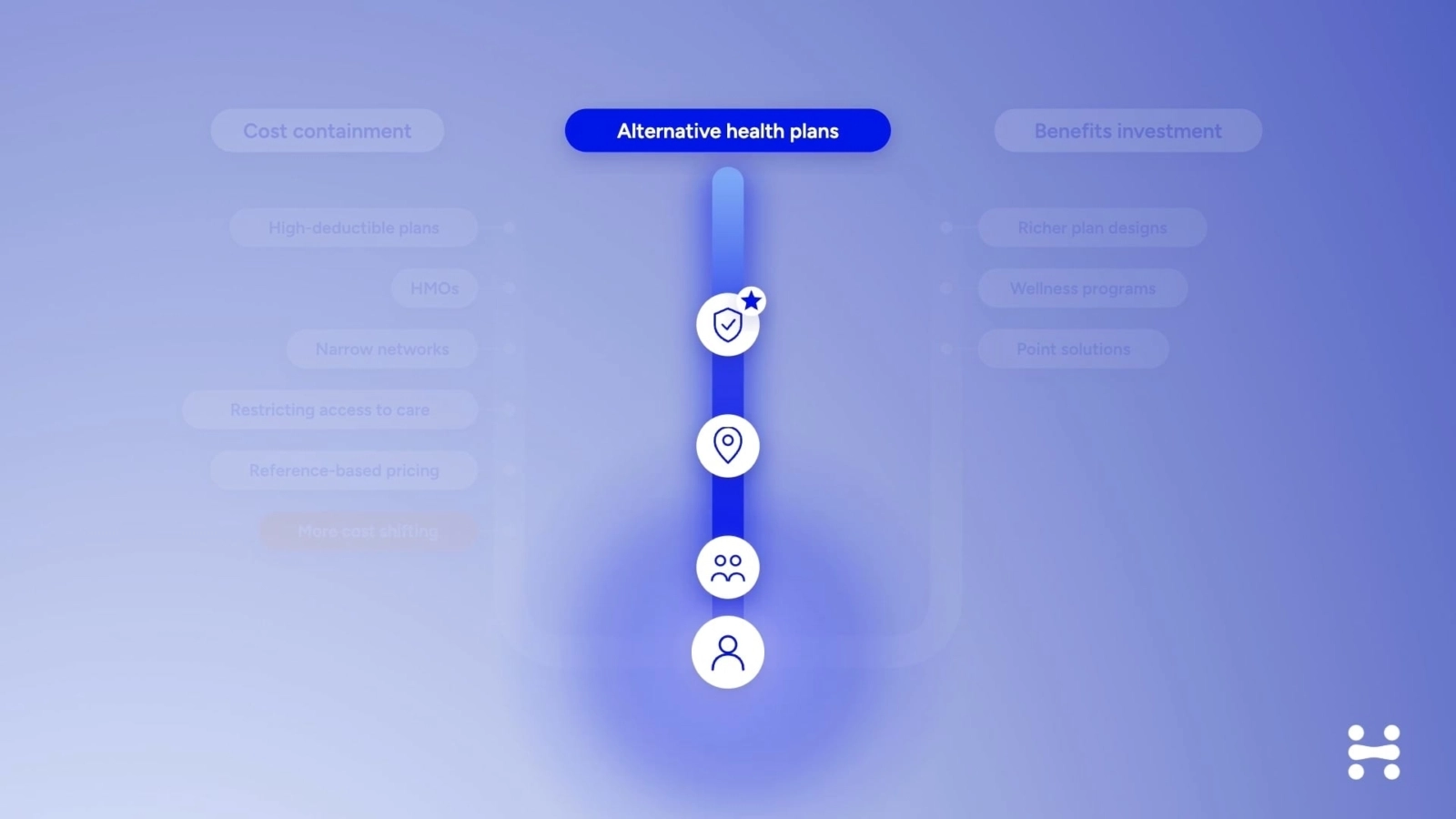
Employers have typically had two main approaches to controlling costs. The first is cost containment: high-deductible plans, HMOs, narrow networks, and reference-based pricing. But when care gets harder to afford or reach, people delay it, and some end up in the emergency room with preventable health issues.
The second approach is more investment in benefits: richer plan designs, wellness programs, and digital point solutions. But these strategies can add cost, engagement is often low, and ROI is mixed.
Alternative health plans built around proactive guidance and primary care offer another path. Instead of shifting costs or adding programs, they start with what care members need and how to get them to high-quality, cost-effective care earlier.
They move care to lower-cost, clinically appropriate settings, guide people to higher-value providers, and prevent avoidable spend with earlier primary care and better coordination.
Trend won't bend downstream. Change has to start upstream. That's what the best alternative models are built to do: make healthcare better, easier, more affordable, and financially sustainable.