Are network discounts the safest path to lower costs?
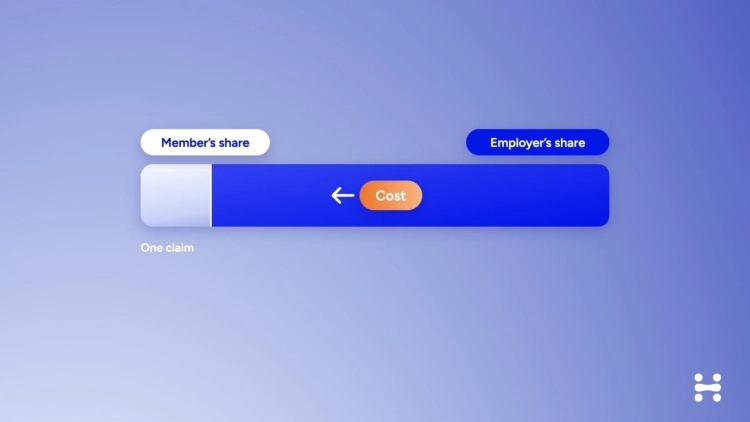
Network discounts seem like a safe way to save. Carriers negotiate the discounts up front, and the savings show up for employers right away. So why switch to an alternative health plan offering a smaller discount?
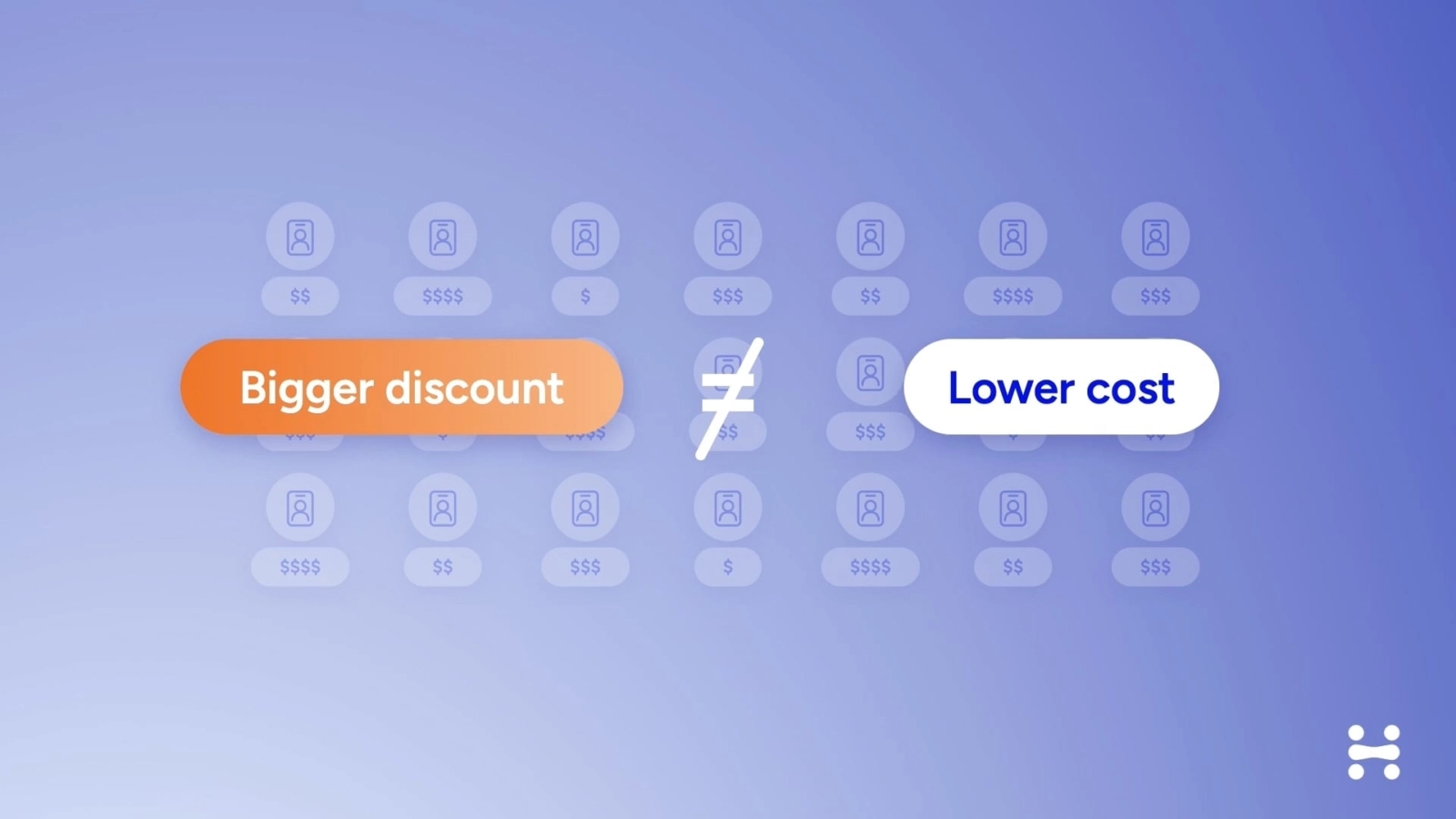
Here's the catch: Prices for the same service can vary widely from one provider to the next. So a bigger percentage discount doesn't necessarily mean a lower absolute cost.
Picture a hospital and an outpatient clinic that both provide the same MRI. The hospital charges $2,000, and a 60% discount brings that down to $800. The clinic charges $1,000, so even with just a 30% discount, the final cost — $700 — is still lower.
The smaller discount is the better deal, which is why chasing deeper network discounts hasn't stopped health costs from rising year after year.
And price is only half of the equation. Buyers need to look at the total cost of care: the price of each service multiplied by the volume of services people actually use.
Network discounts only address the price. They don't change how people select providers, the type of care they use, the quality of that care, or whether that care was needed in the first place.
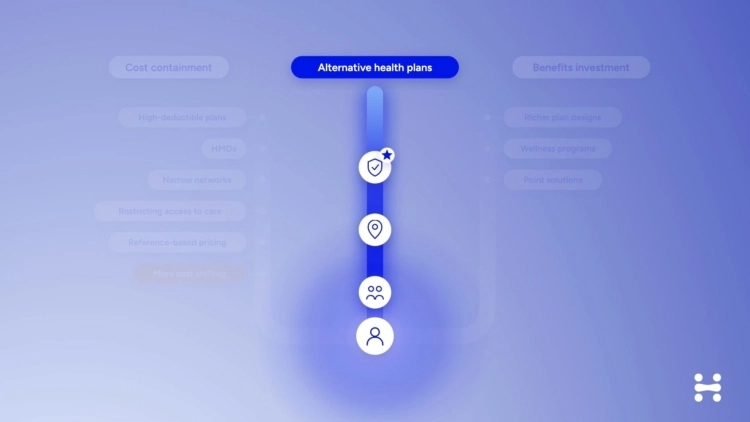
Clinically integrated alternative models fill those gaps. They engage members in primary care and guide them to high-quality, cost-effective providers that are the best fit for their needs, bringing down costs without compromising on access or quality.
The bottom line? Focus on dollar savings, not percentage discounts. Start with a claims-based savings estimate, and ask plans for a transparent breakdown of where the savings come from, plus performance guarantees that hold the plan accountable for total cost of care.