How do alternative health plans improve member experience?
A new health plan means a new card, new rules, and maybe a new app. Benefits leaders weighing an alternative health plan often worry about disruption.
Will a new plan model confuse employees? And will employees actually use the new plan?
A new plan model only works if members use it. And members use what feels simple and trustworthy.
Traditional plans leave members to figure out which provider to see, what care makes sense, what it will cost, and what to do next. Members often face those decisions while sick or worried, with a growing list of unfamiliar benefits vendors on top. No wonder people delay care or skip it altogether.
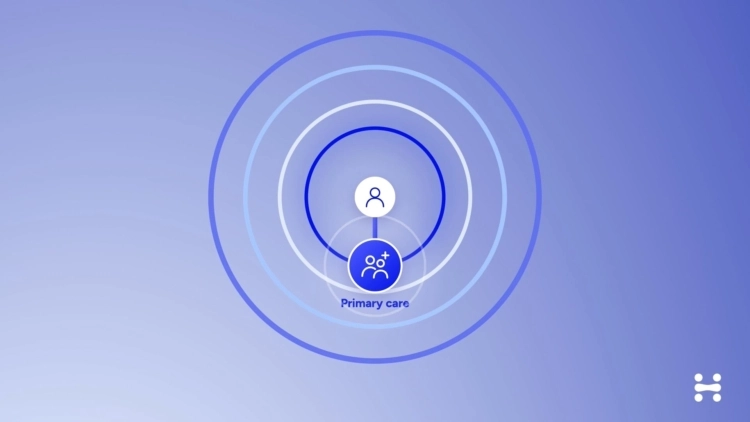
A clinically integrated alternative model takes a different approach. Plan design, primary care, and AI-led navigation work together as one experience.
An AI health assistant answers questions anytime, in plain language, based on the member's plan and history. When the member wants to talk to someone, the assistant connects them with their care team, including care advocates and primary care clinicians.
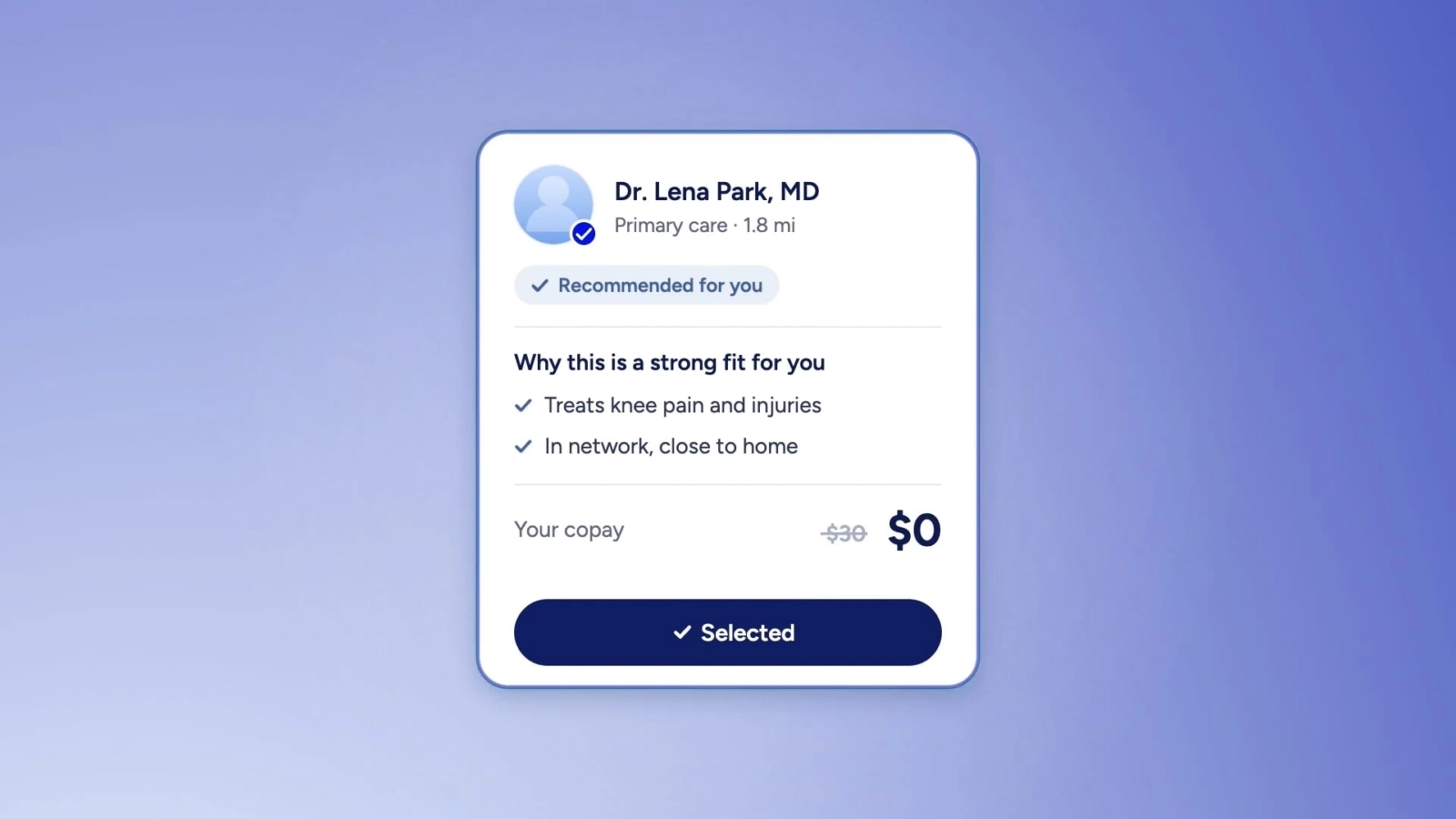
The primary care team recommends the right next provider, explains why, and shows the cost before the visit.
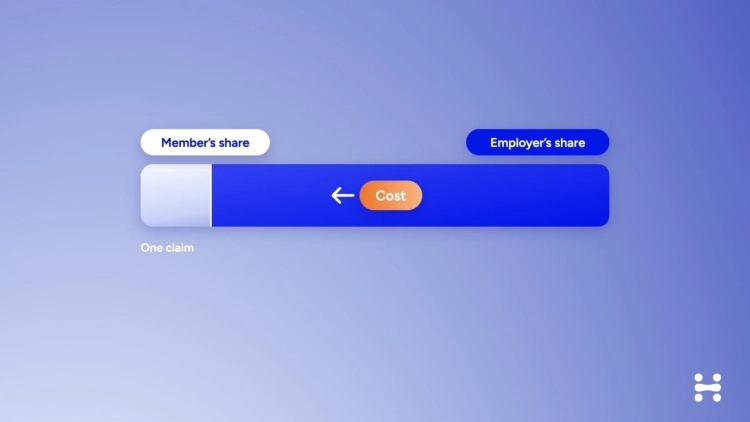
Plan design makes the right choice the easy one. When the member picks the recommended provider, the copay drops, sometimes to $0.
The result is one place to start, clear costs before care, guidance members trust, and a lower cost-share when they follow that guidance.
Done right, an alternative plan isn't disruptive. It's not just another benefit to figure out. It's better care that's easier to use.