How do alternative health plans lower costs?
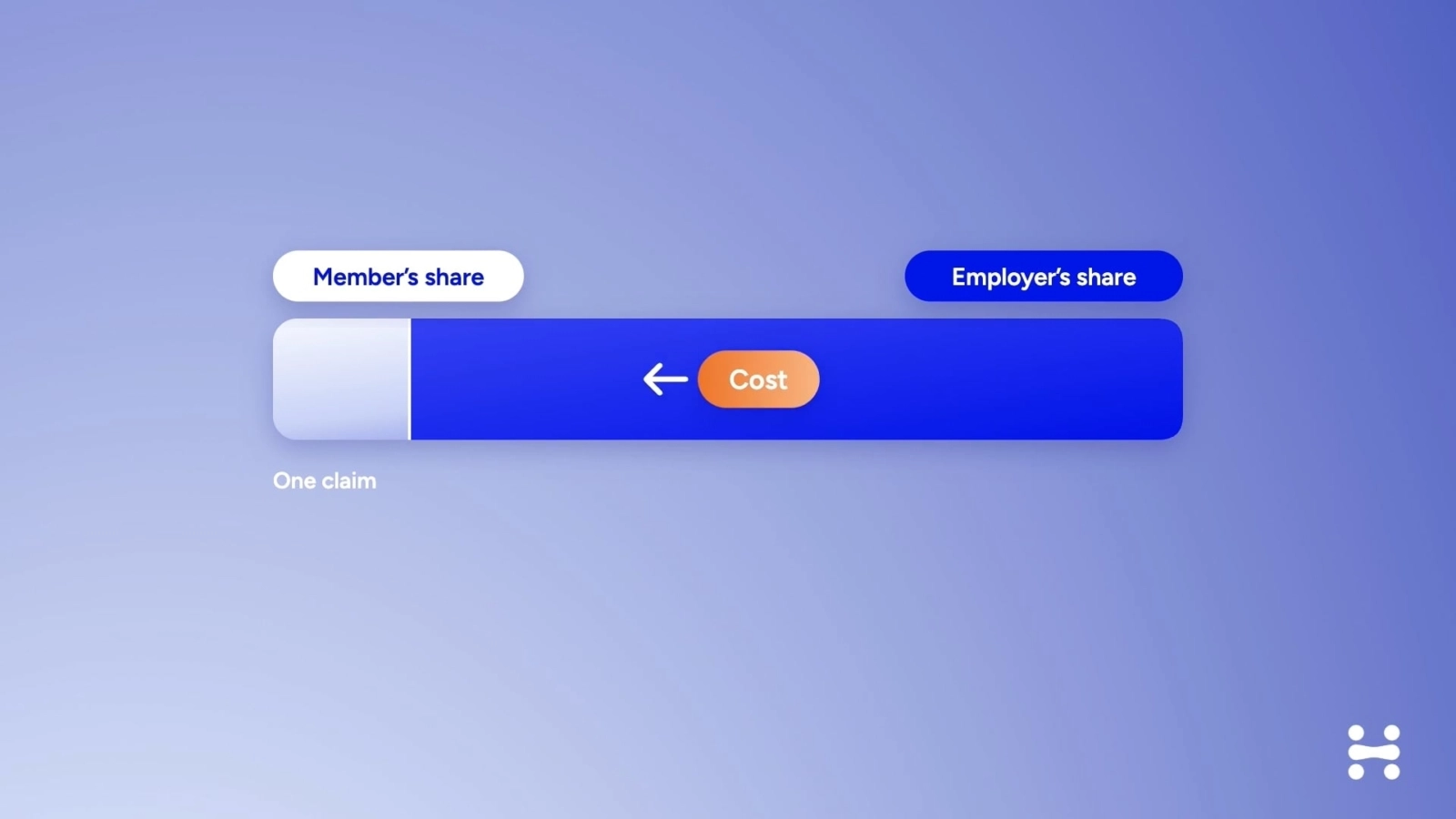
Most alternative health plans lower copays and other out-of-pocket costs. For employees, that sounds like a win.
For the employer, the math can look backward. With any insurance plan, when members pay less, the employer covers a larger share of each claim.
So if members pay less, how does the employer also pay less?
The most effective alternative plans are clinically integrated. They lower total claims by engaging members in primary care and guiding them to high-quality, cost-effective providers. The employer spends less overall, and members still pay less.
The savings come from three levers:
- Who delivers care. Higher-quality providers tend to produce better health outcomes, such as fewer complications and repeat surgeries, so guiding people to them lowers the cost of care right away.
- Where care happens. An MRI produces the same images wherever it's done, but the price can vary widely by location.
- Care that never has to happen. Earlier primary care and better coordination prevent avoidable spend, like unnecessary referrals and preventable emergency room visits. These savings build over time, starting smaller in the first year as members catch up on care they've put off.
Many alternative plans rely on lower copays alone and expect savings to follow. But savings are more reliable when plan design, care delivery, and navigation work together to make the high-value choice the easiest one.
A credible plan can show which claims each lever affects, how much it moved them, and the assumptions behind its estimate. Members pay less, employers pay less, and employers can see where the savings come from.