- Your fever is 101–102°F with intense body aches
This could be influenza or COVID. Antivirals work best when started in the first 48 hours. - You can barely swallow
Severe throat swelling could be strep throat or another bacterial infection requiring antibiotics. - You've been sick for 10 days without any improvement
Most colds peak around day 5–7 and then improve. If you're stuck at day 10, something else might be going on. - You feel better, then suddenly get worse
This is the hallmark of a secondary bacterial infection (sinus infection, ear infection, or pneumonia). - You're experiencing shortness of breath or wheezing
Even without asthma, respiratory symptoms that make normal activities difficult need evaluation.
Allergies or something more? Your guide to spring symptoms
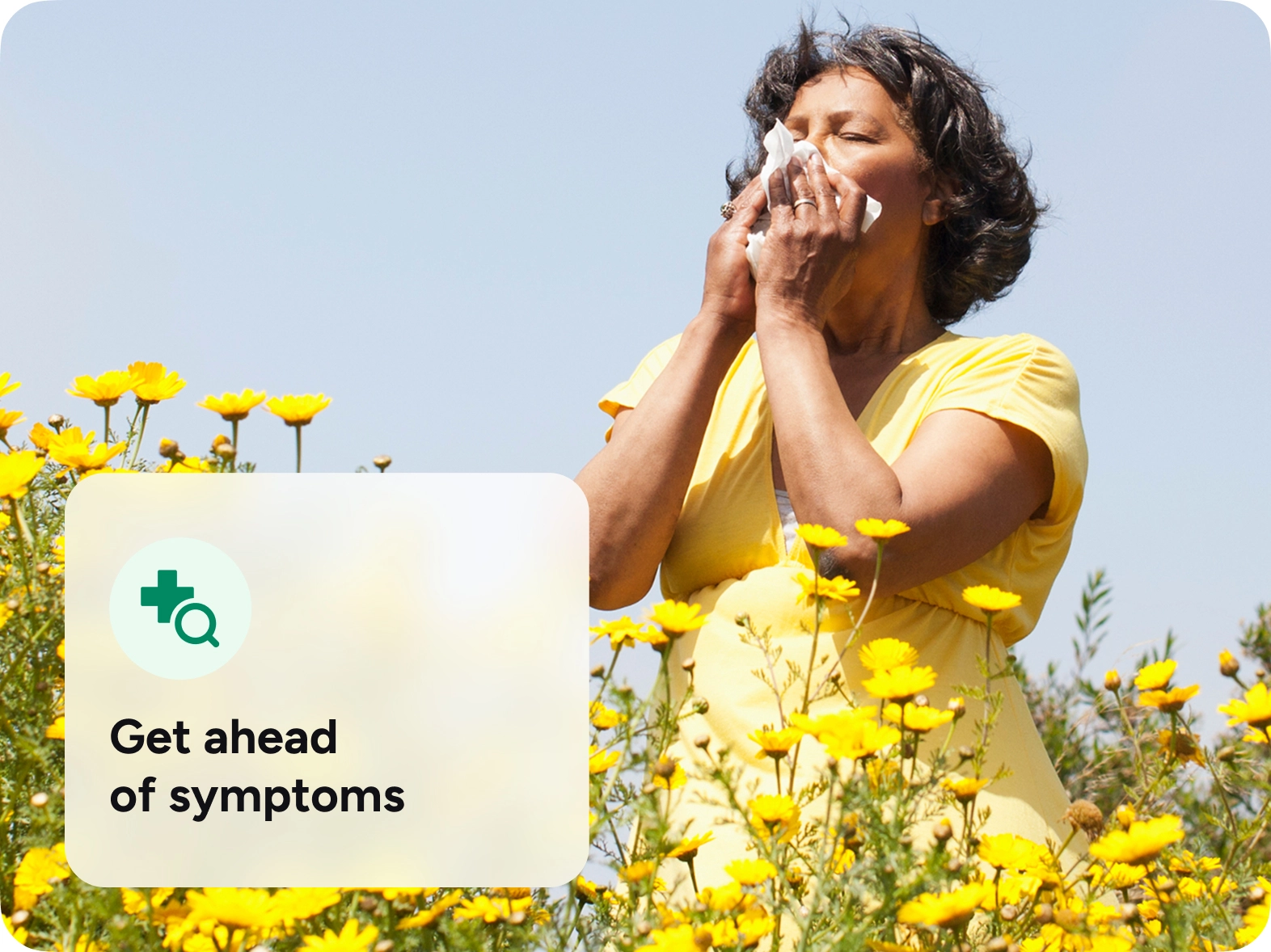
Congestion, sneezing, runny nose — these overlapping symptoms make it tough to tell allergies from a cold. Discover Dr. Hockenberry's advice on navigating spring symptoms, and then use our spring symptom checklist to understand what you're experiencing and get expert guidance on when to seek care.

Ask Dr. Hockenberry
Advice on spring symptoms
After 11 years in urgent care, I've learned that patients usually know when something's “off,” but they're not always sure if it's urgent. Here's what you need to consider:
Allergies or a cold? Start here
For more symptom clarity, use the checklist below to determine if you may be experiencing spring allergies or something that requires a check-in with a provider.

Allergies:
Intense itching in your eyes, nose, and throat
Colds:
Minimal to no itching

Allergies:
No fever
Colds:
May cause low-grade fever as your immune system responds

Allergies:
Symptoms stay in your head (eyes, nose, and throat)
Colds:
Often bring muscle aches and that run-down feeling

Allergies:
Continue as long as you're exposed to triggers (weeks or months)
Colds:
Typically improve within 7–10 days

Allergies:
Symptoms flare up outdoors or in specific environments
Colds:
Make you feel sick regardless of location, and others around you may be sick too
Your spring symptoms checklist
Make note of the symptoms you're experiencing right now:
- Sneezing or runny nose
- Itchy eyes nose, or throat
- Watery eyes
- Congestion or stuffy nose
- Fatigue or feeling run down
- Cough
- Sore throat
- Fever or body aches
- Symptoms last longer than 10 days
- Symptoms worse outdoors or in certain locations
What your symptoms could mean

Mostly itchiness and outdoor symptoms?
Symptoms such as itchy eyes, nose, or throat and environmental reactions indicate that you're likely experiencing spring allergies. These symptoms are usually manageable from home.

Fever, aches, or sore throat?
When symptoms start to impact your day, it's a sign that there may be something more going on. If you're experiencing a sore throat, fever, or fatigue, you may have a cold or other type of viral infection.

Symptoms lasting weeks?
If your symptoms last longer than 10 days, without improvement, or if they improved but then worsened again, it's time to take action. Consider scheduling a visit with a provider to get to the root of your symptoms.
Not sure? A quick virtual visit* can give you clarity.
*For those with access to virtual care visits in their Included Health support

Why book a virtual visit?
Get expert answers without the guesswork. Book a visit right from the Included Health app* for:
1.
Quick symptom check
Get a professional evaluation without leaving home.
2.
The right treatment
Receive the right prescriptions for allergies, colds, or other conditions sent right to your pharmacy.
3.
Peace of mind
Know what you're dealing with and how to feel better, faster. No doom scrolling!
*For those with access to virtual care visits in their Included Health support